Light,
glass, loop.
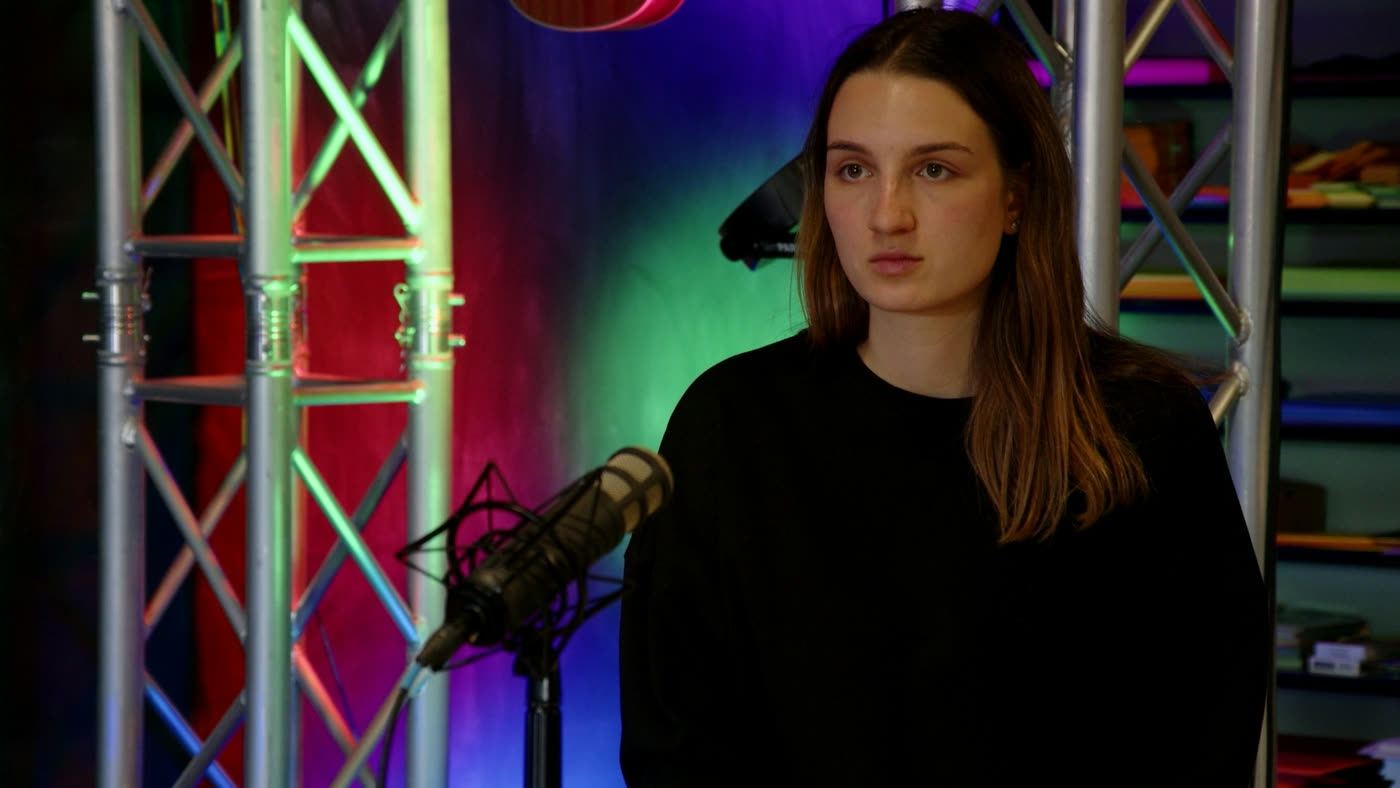
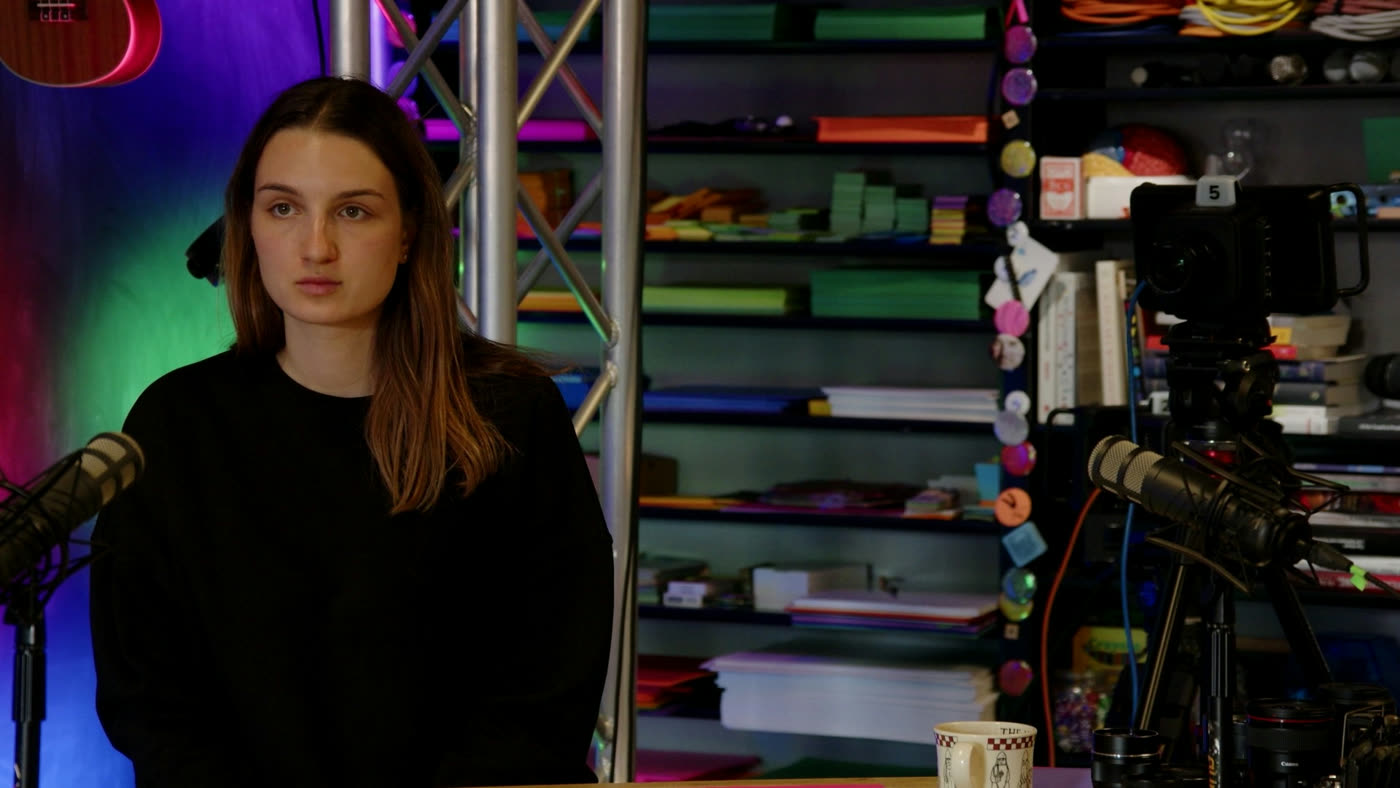
Four stations, twenty minutes each. I walked a light around my own face, watched myself appear upside down on a sheet of acrylic, and pointed a camera at its own projection until it started folding time.
Distance does more than settings.
Move the light, the lens, or the mic before touching a dial.
Lock it.
A camera on auto keeps changing its mind mid-shot.
A phone is a tiny camera obscura.
A dark box, a small opening, a surface for the image. Everything else is refinement.
The key light, around the clock
The camera sits at 12 o'clock. The key light starts right next to it and moves around me one hour at a time, a still at every stop, until it's back beside the lens. Drag the light on the dial, or press play.
As a video
The fourteen stills in capture order, cross-dissolved into one seven-second loop. Played fast, the light seems to orbit on its own while I stay still, which makes it obvious how much of a face's shape is the light's doing: the same head goes flat, then sculpted, then split in half, then disappears into a silhouette with glowing edges.
14 stills · 0.75 s each · 0.3 s dissolves · 13:01:36 → 13:02:23
Then the red and the teal
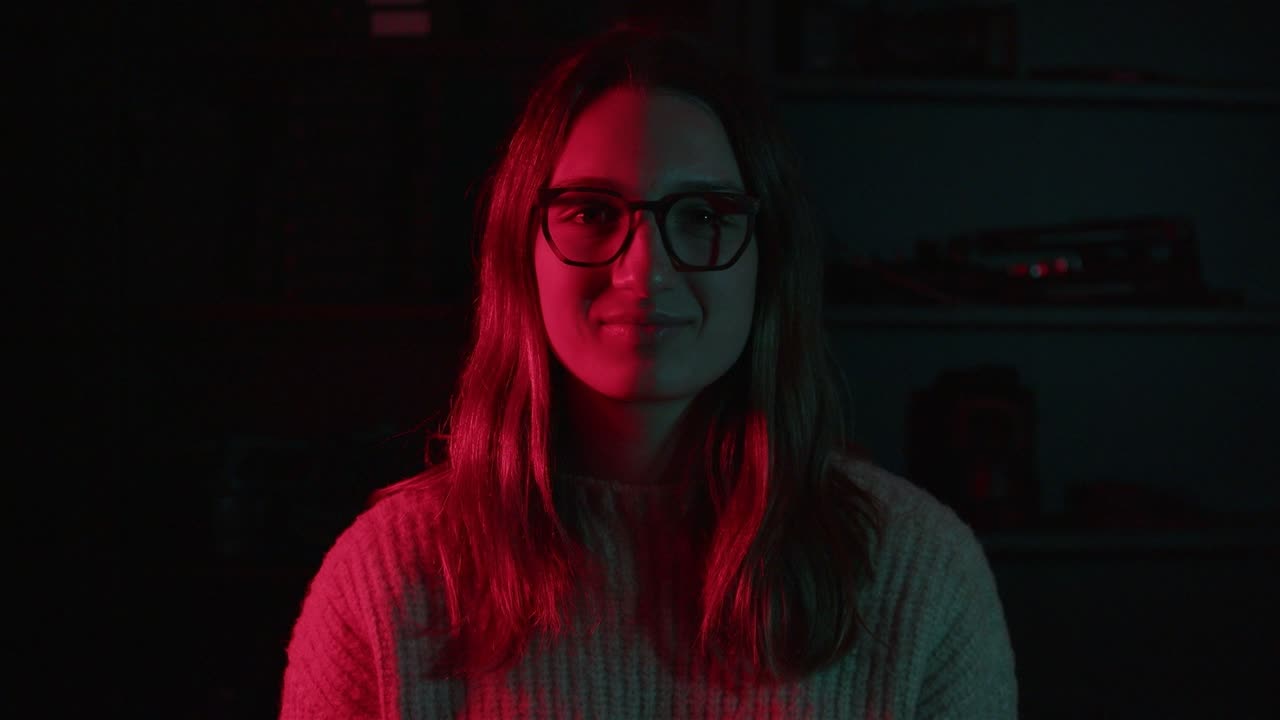
Two RGB panels on opposite sides, set to complementary colors. Where they overlap the skin goes neutral; where only one reaches, the face takes its color. The background falls to cyan.
The world, upside down, through a hole
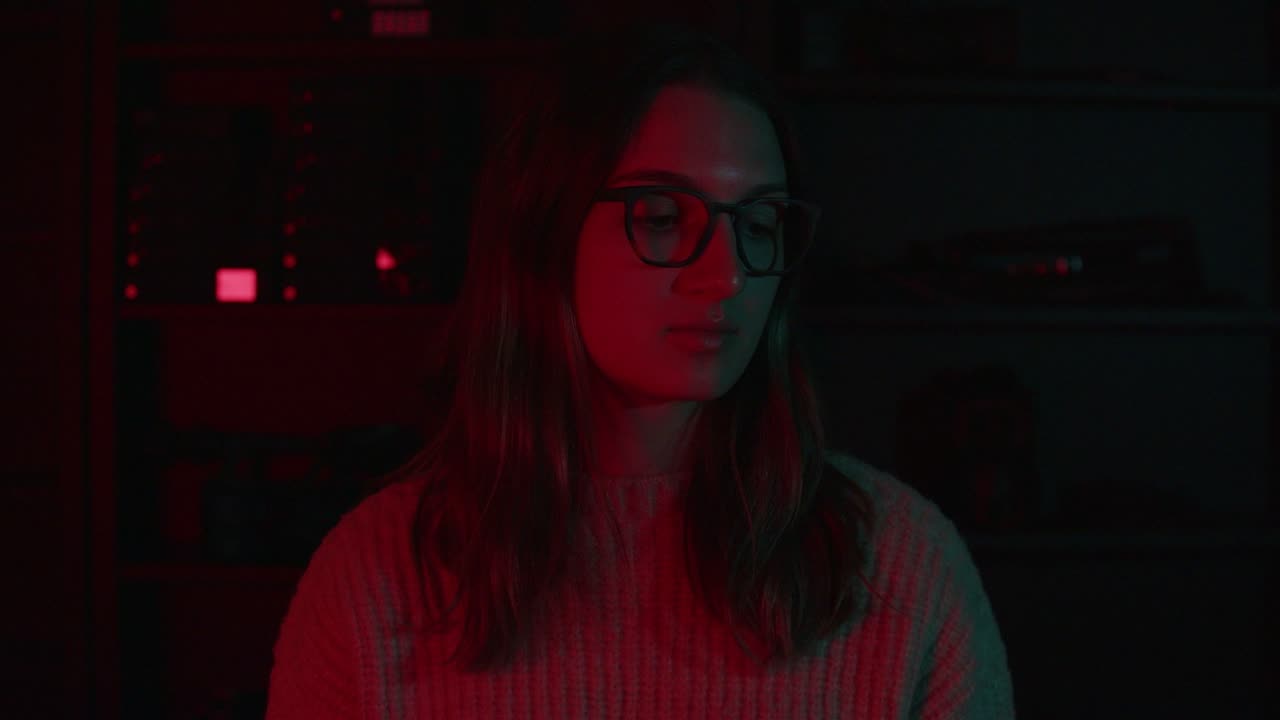
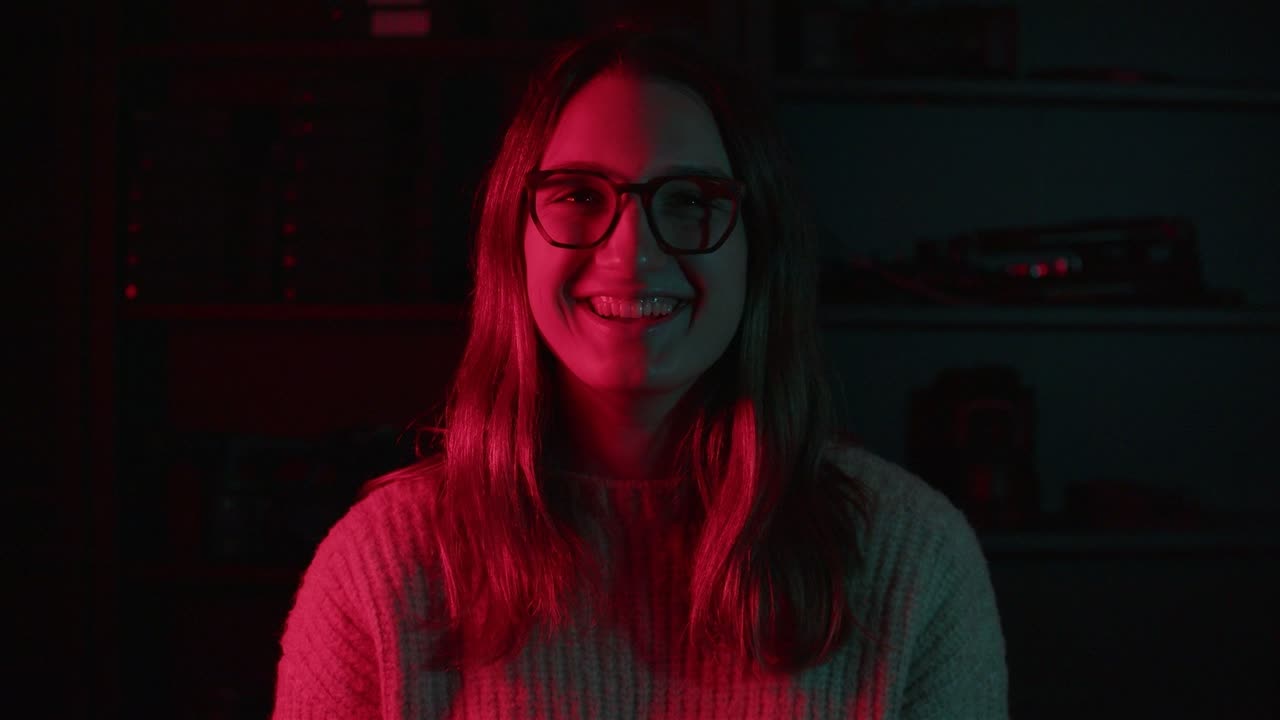
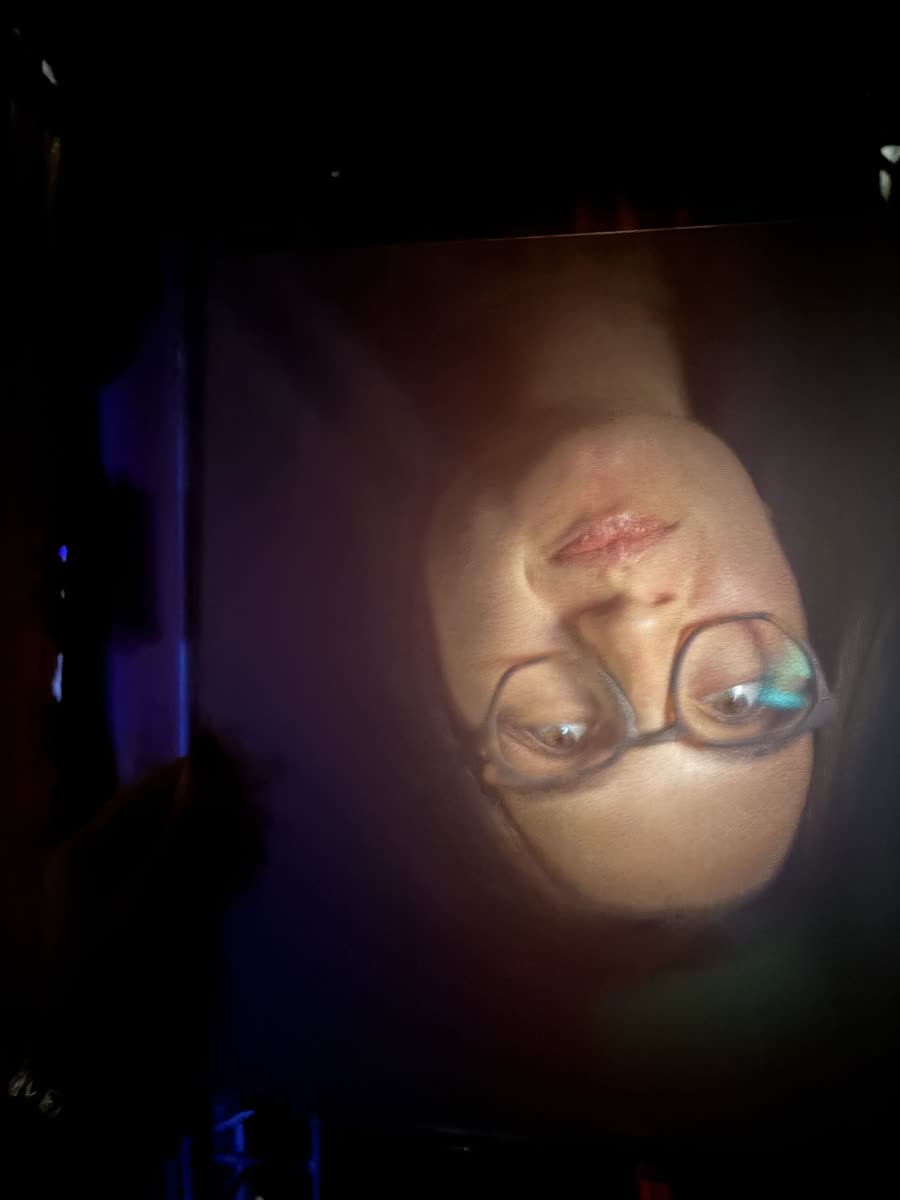
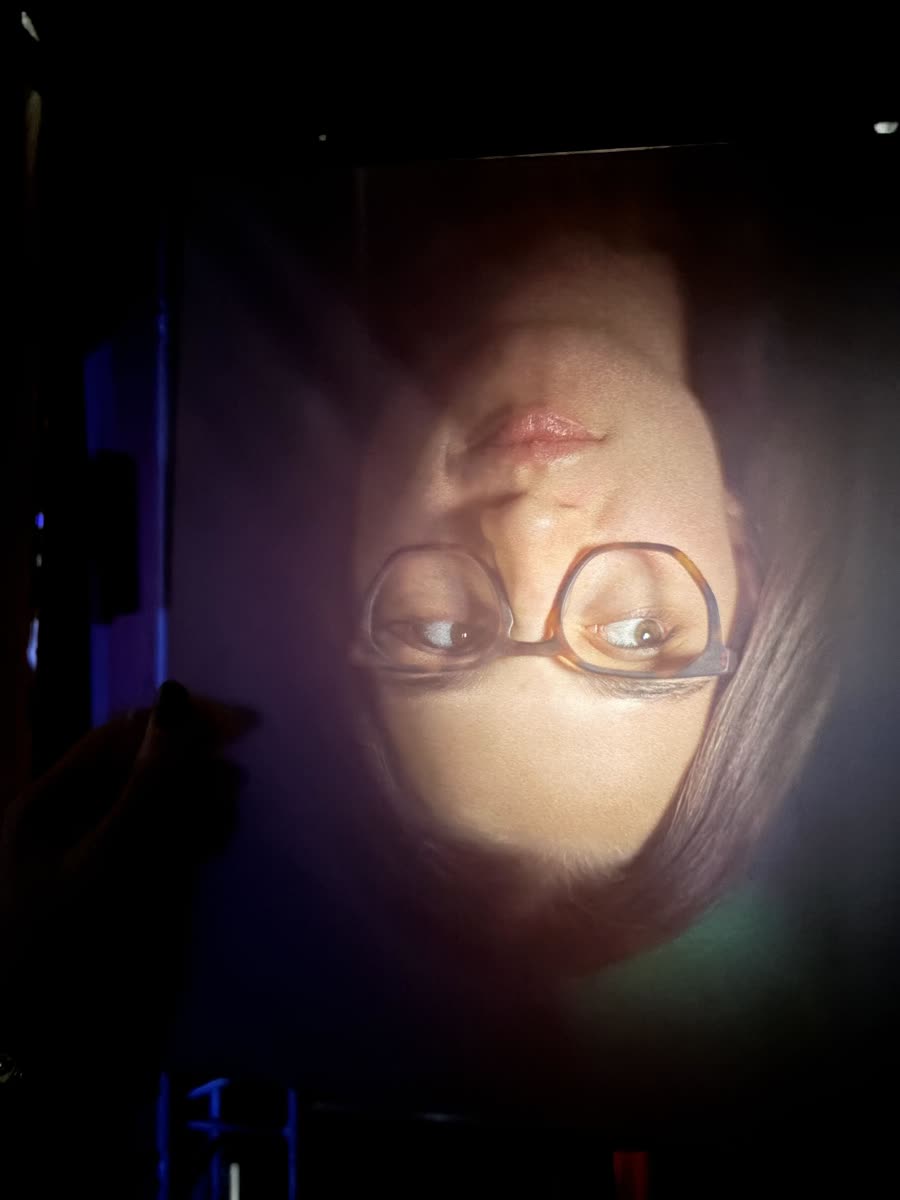
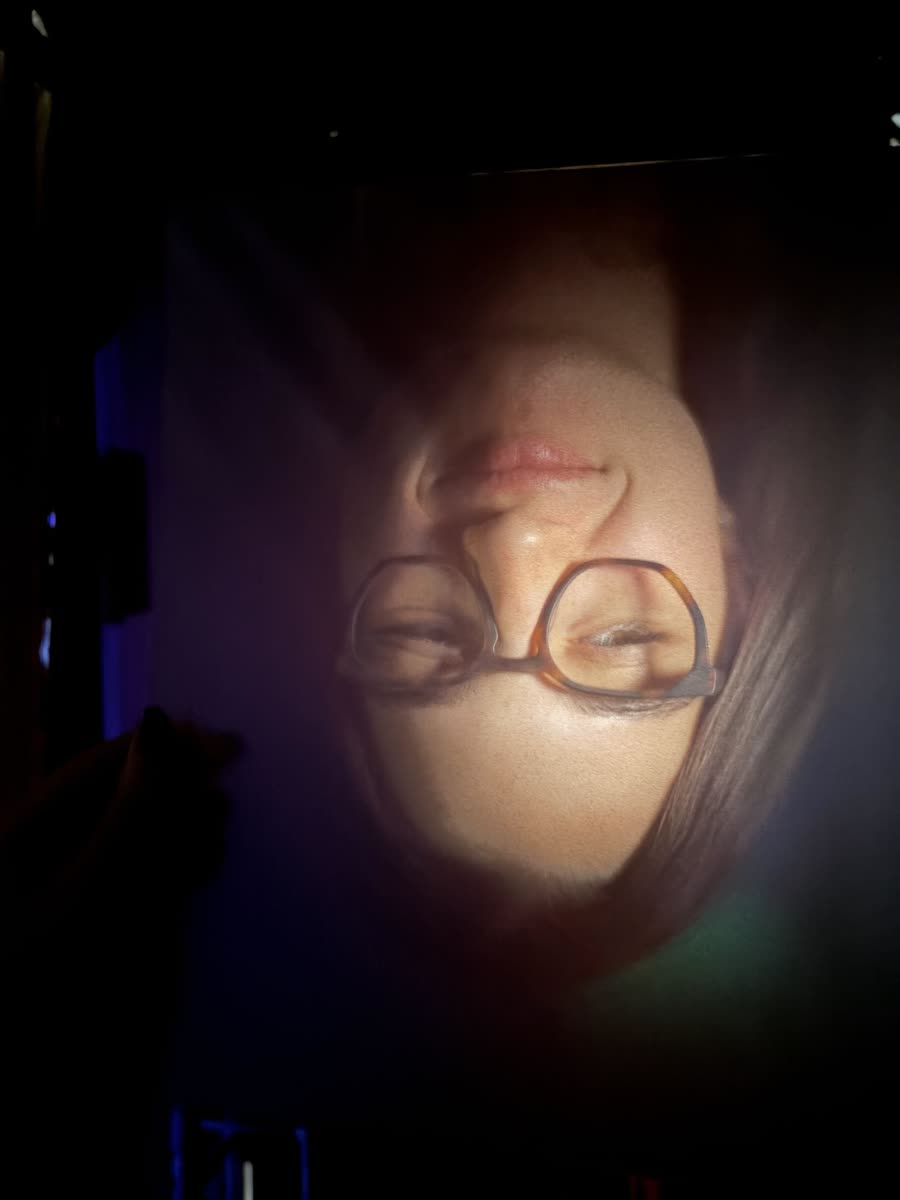
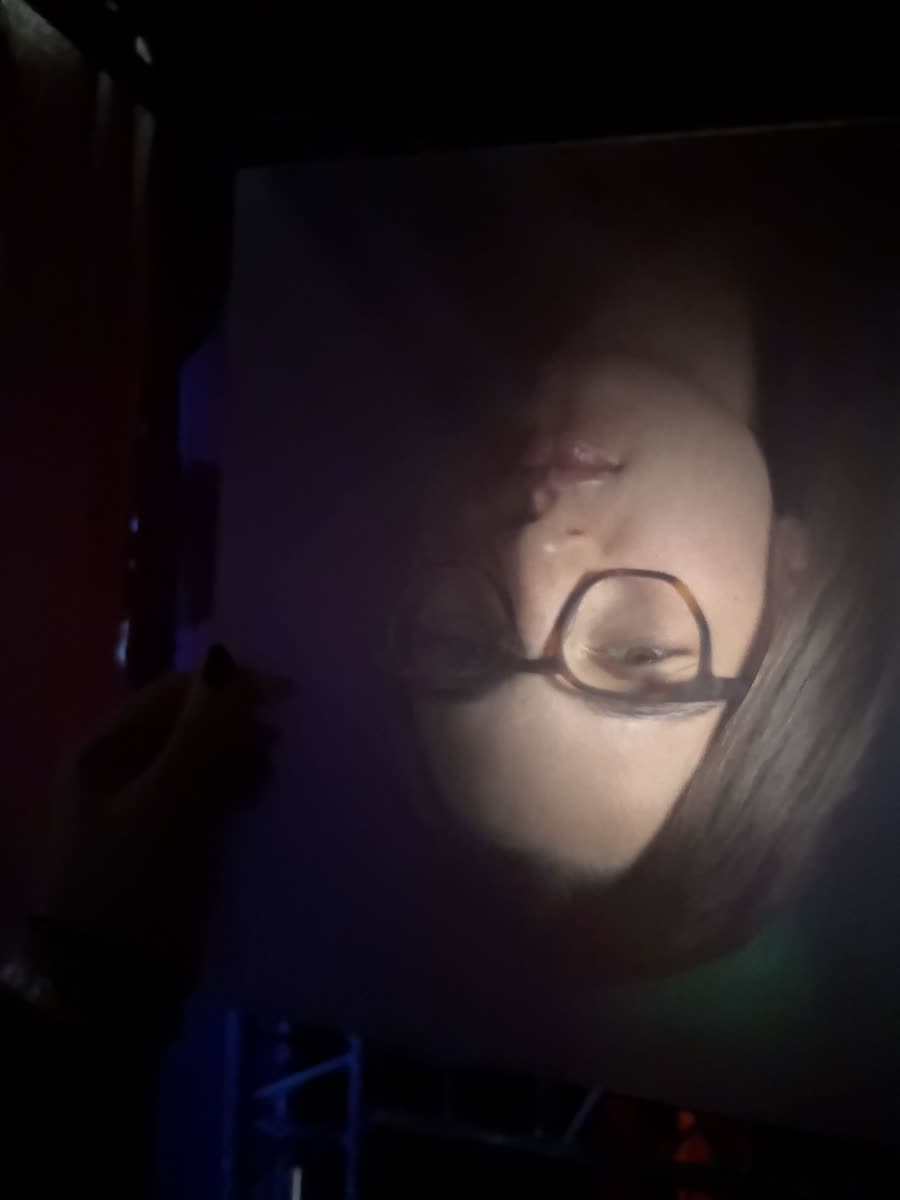
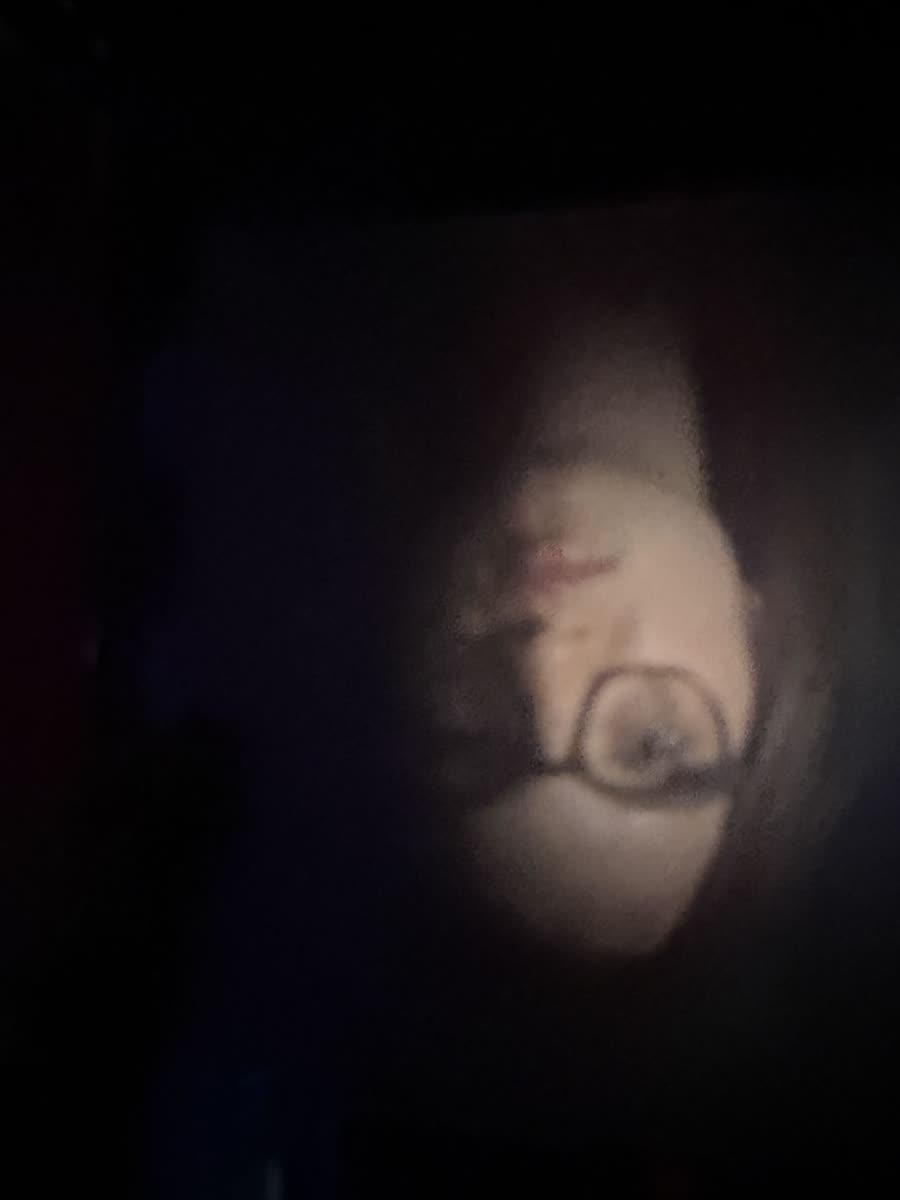
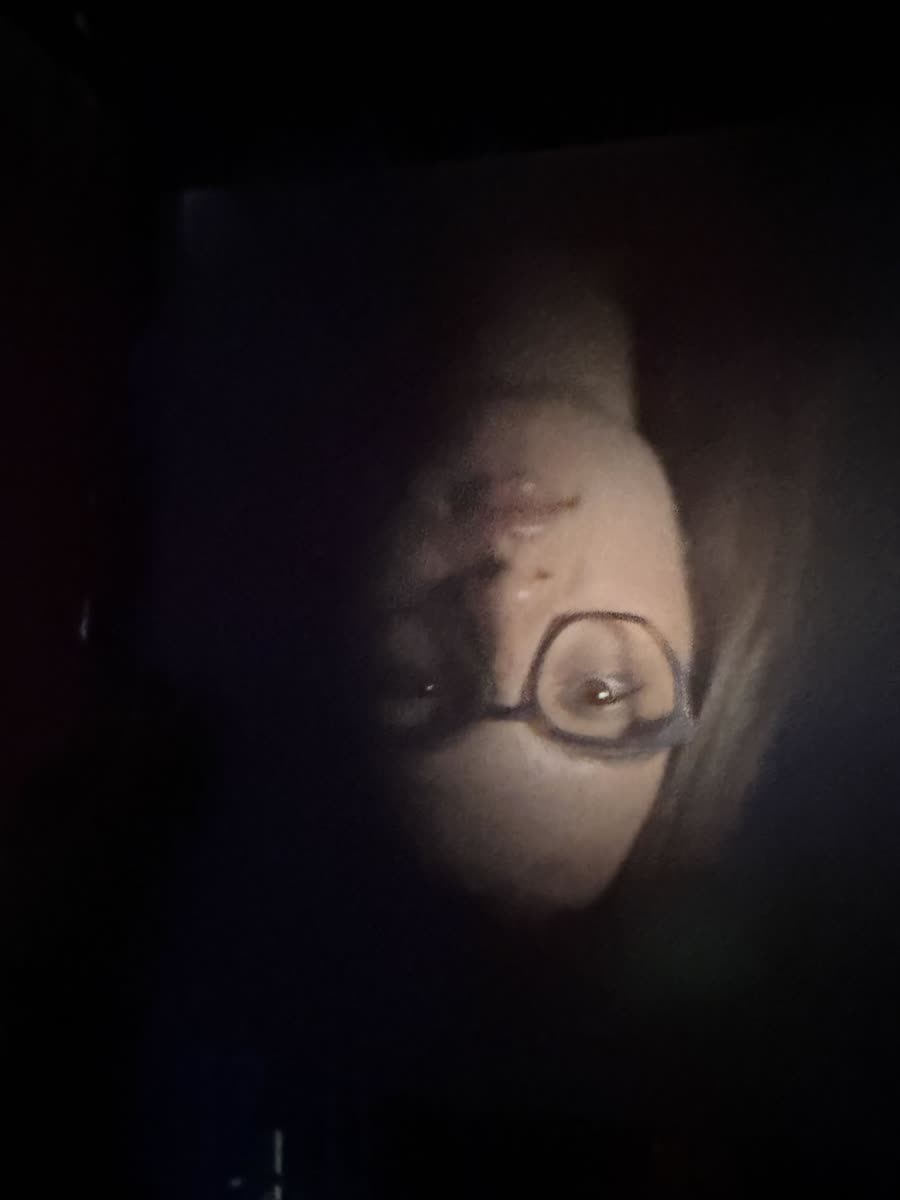
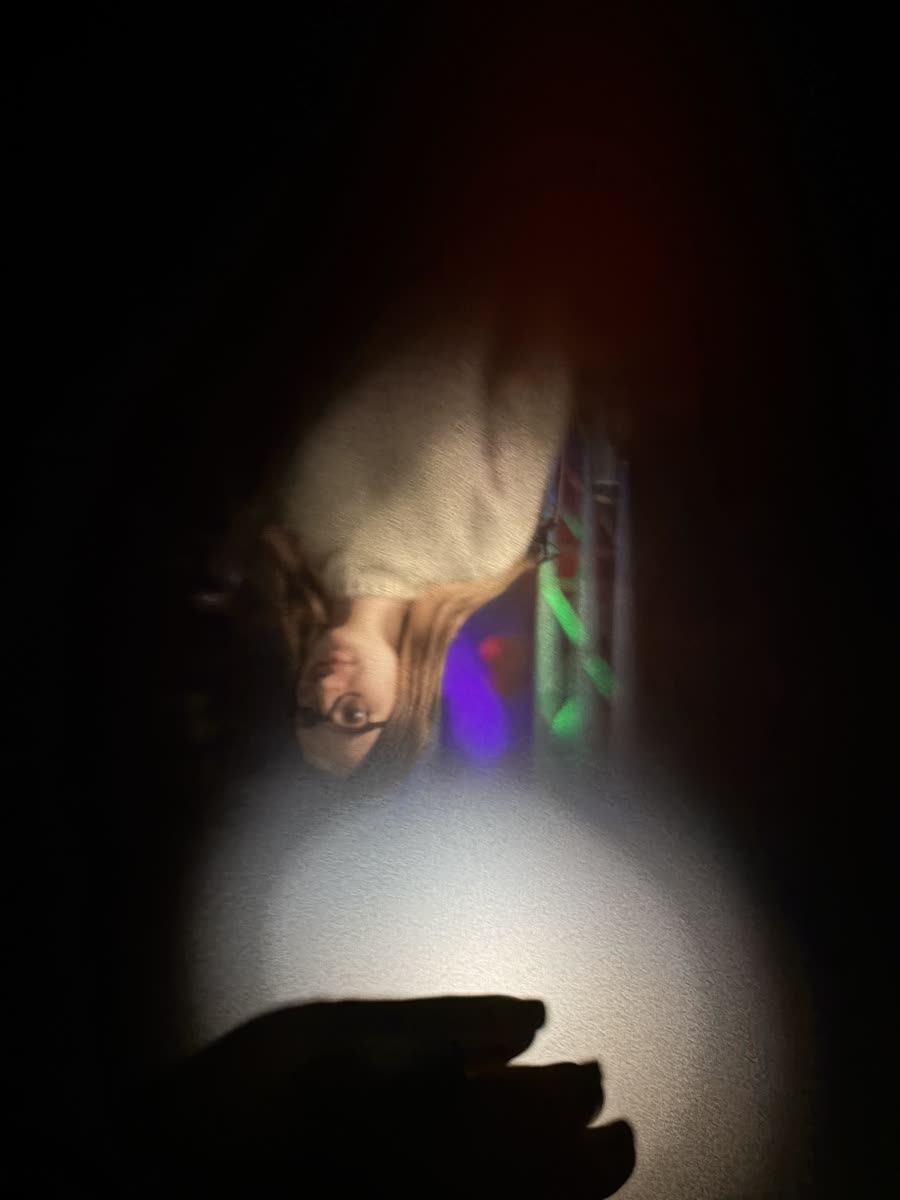
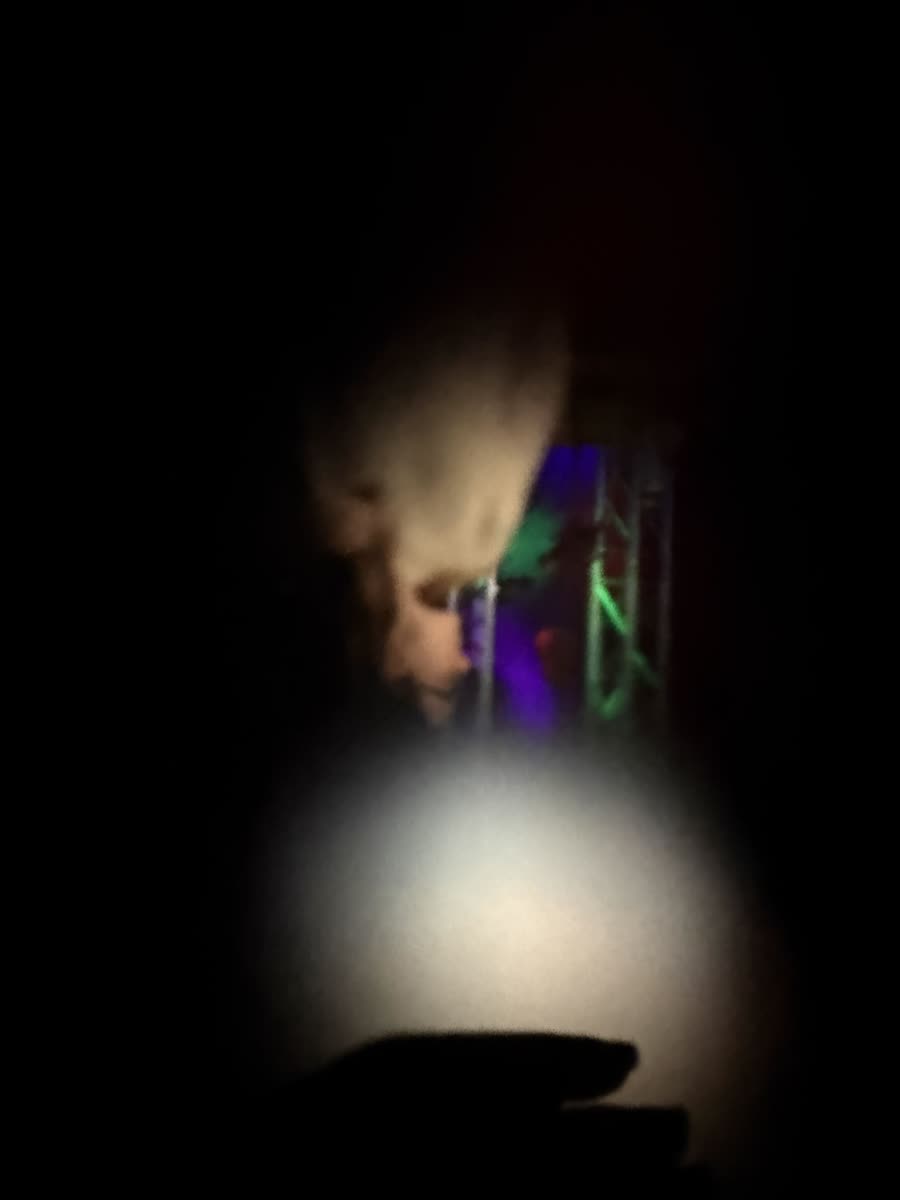
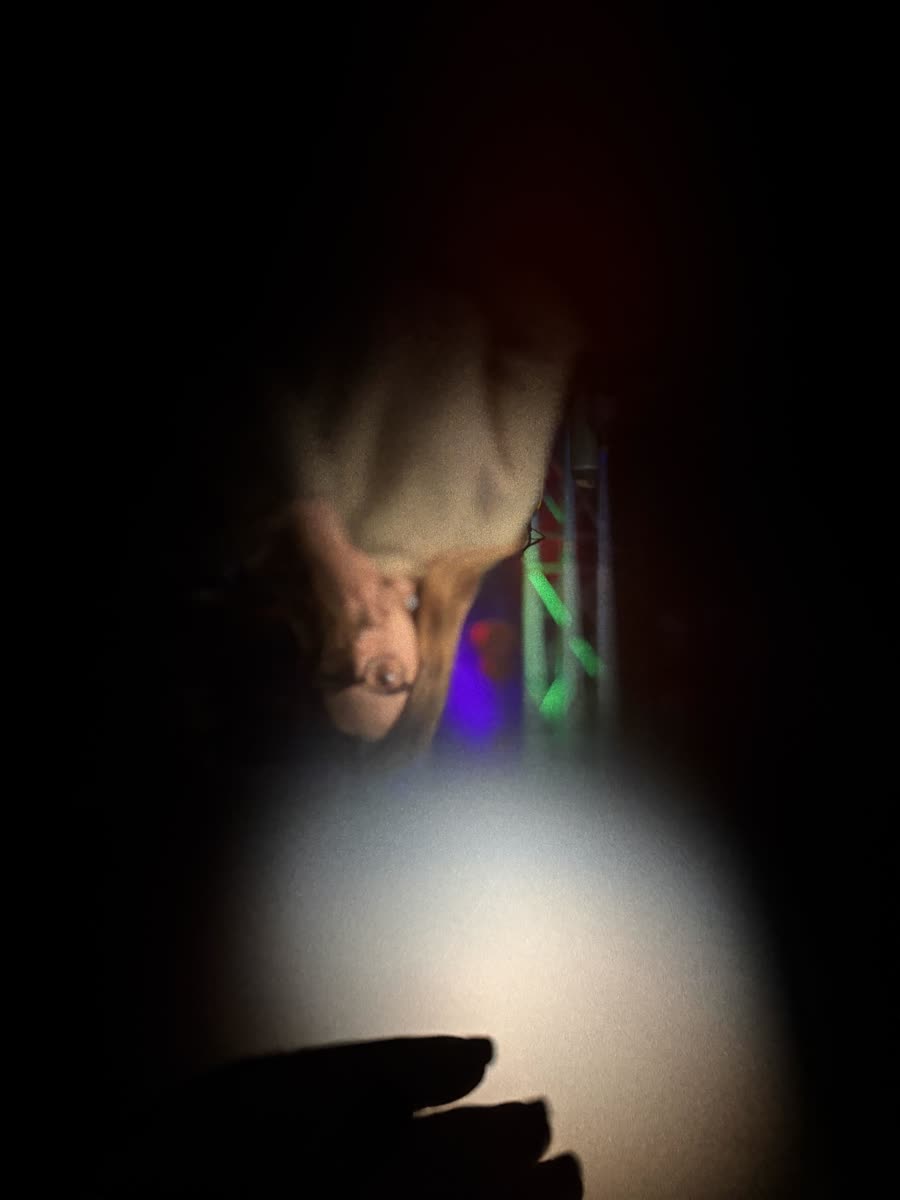
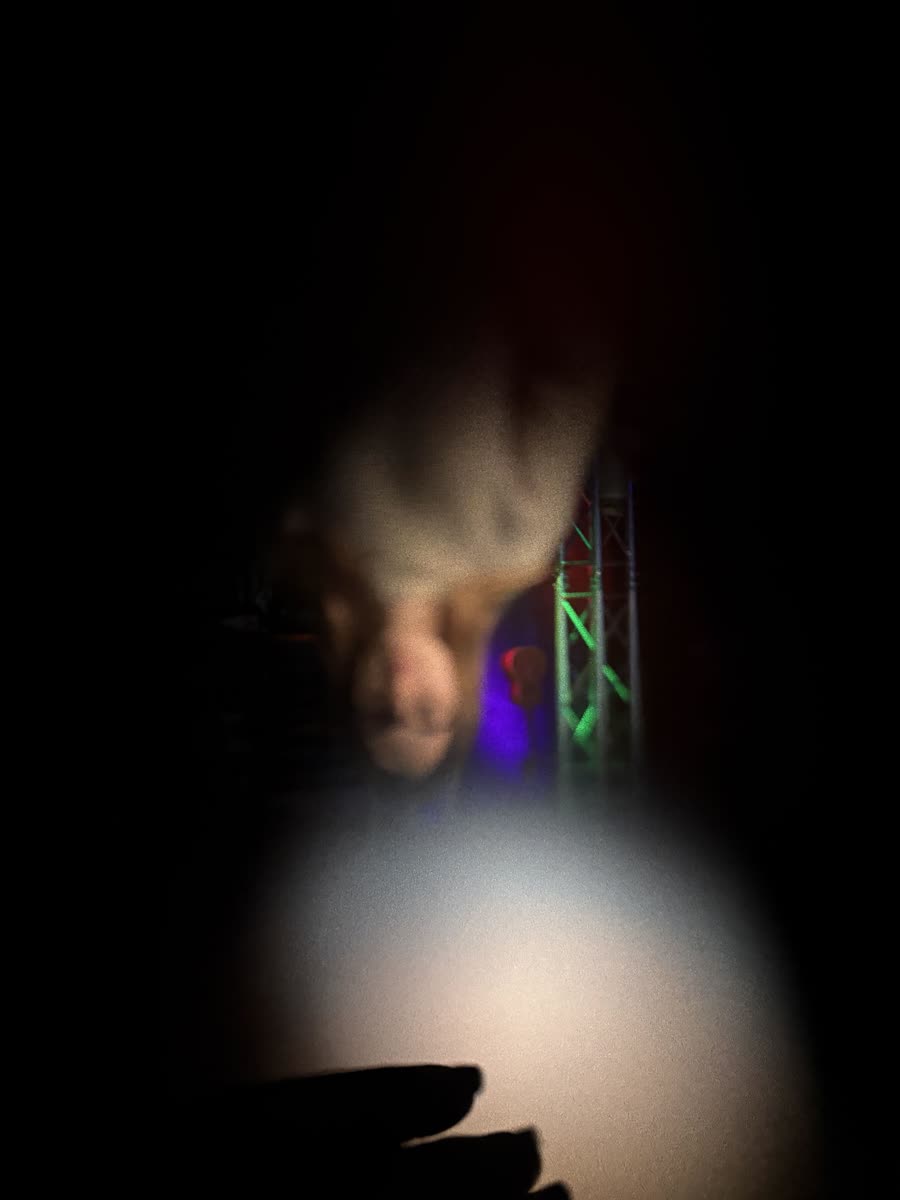
In the dark room, my partner held a sheet of acrylic behind the lens while I stood in the light outside. My face appeared on the plastic, dim and glowing, and completely inverted. No sensor, no battery, no software. Just light going in straight lines.
This is very, very old technology
The image I saw on that acrylic is older than writing about optics itself. People noticed it long before anyone thought of keeping it.
Mozi's followers in China describe a pinhole flipping an image and explain it with light traveling in straight lines.
Aristotle asks why sunlight through gaps in leaves makes round spots, and crescents during an eclipse.
Ibn al-Haytham's Book of Optics tests it with candles and a dark room, and gets the geometry right.
Leonardo da Vinci describes the dark chamber in his notebooks; painters start tracing from it.
Kepler gives it the Latin name camera obscura, "dark room."
Niépce puts a light-sensitive plate at the back and keeps the image. Photography begins.
Every camera I own is this room, shrunk down. Take away the sensor, the processor and the app, and what's left is a dark box with a hole in it.
Seeing it move was the best part
A still photo of an upside-down face looks like a trick. Watching it live is different: I'd smile and the upside-down me would smile, I'd lean left and it would drift right. The image is dim, soft at the edges (vignetting), with a bright hot spot where the light comes straight through. And it's instant. Nothing is recorded or processed, so there is no delay at all.
That was the moment the "tiny sensor, fixed lens" idea clicked for me. A phone's portrait mode, its HDR and night mode are all computation layered on top of this one physical fact: a small opening throws an image of the world onto whatever surface is behind it.
The infinite loop
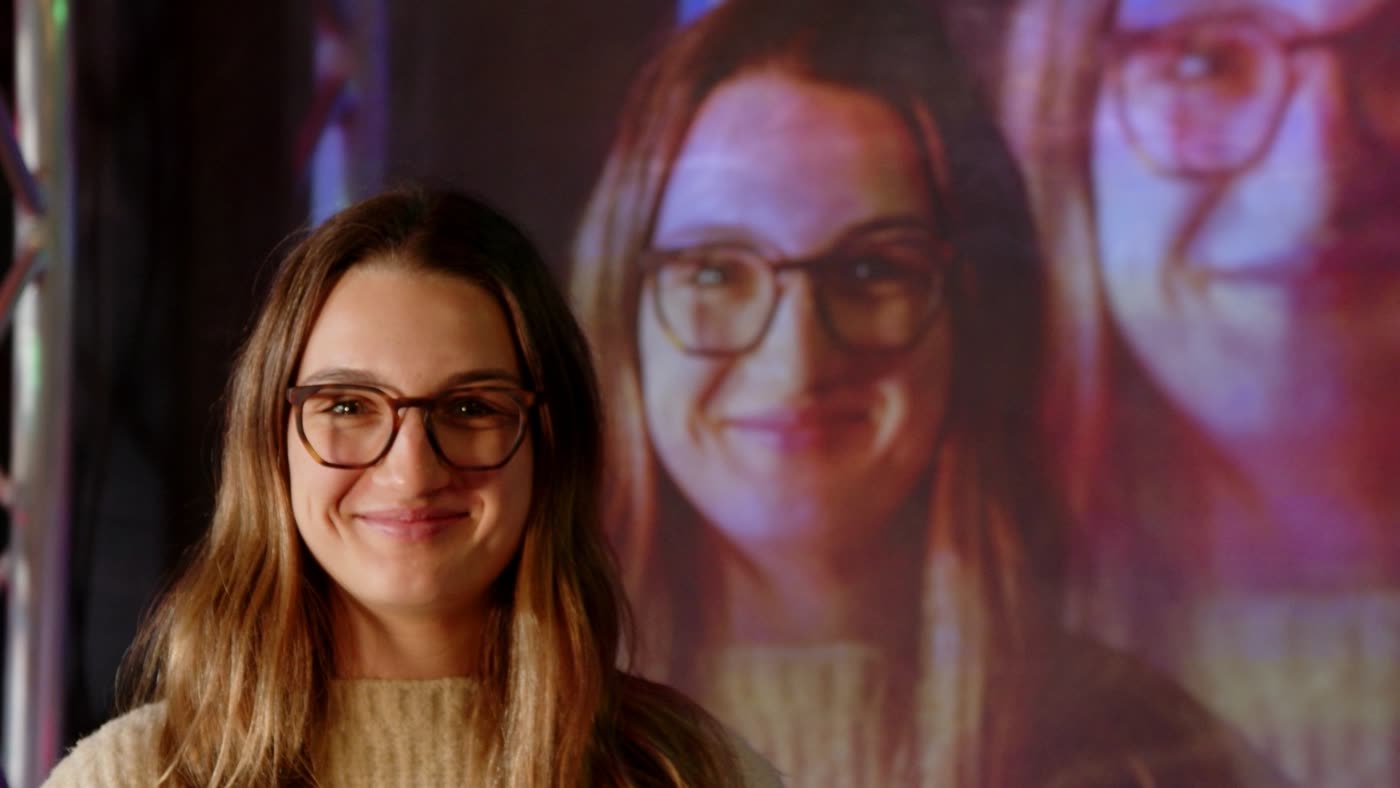
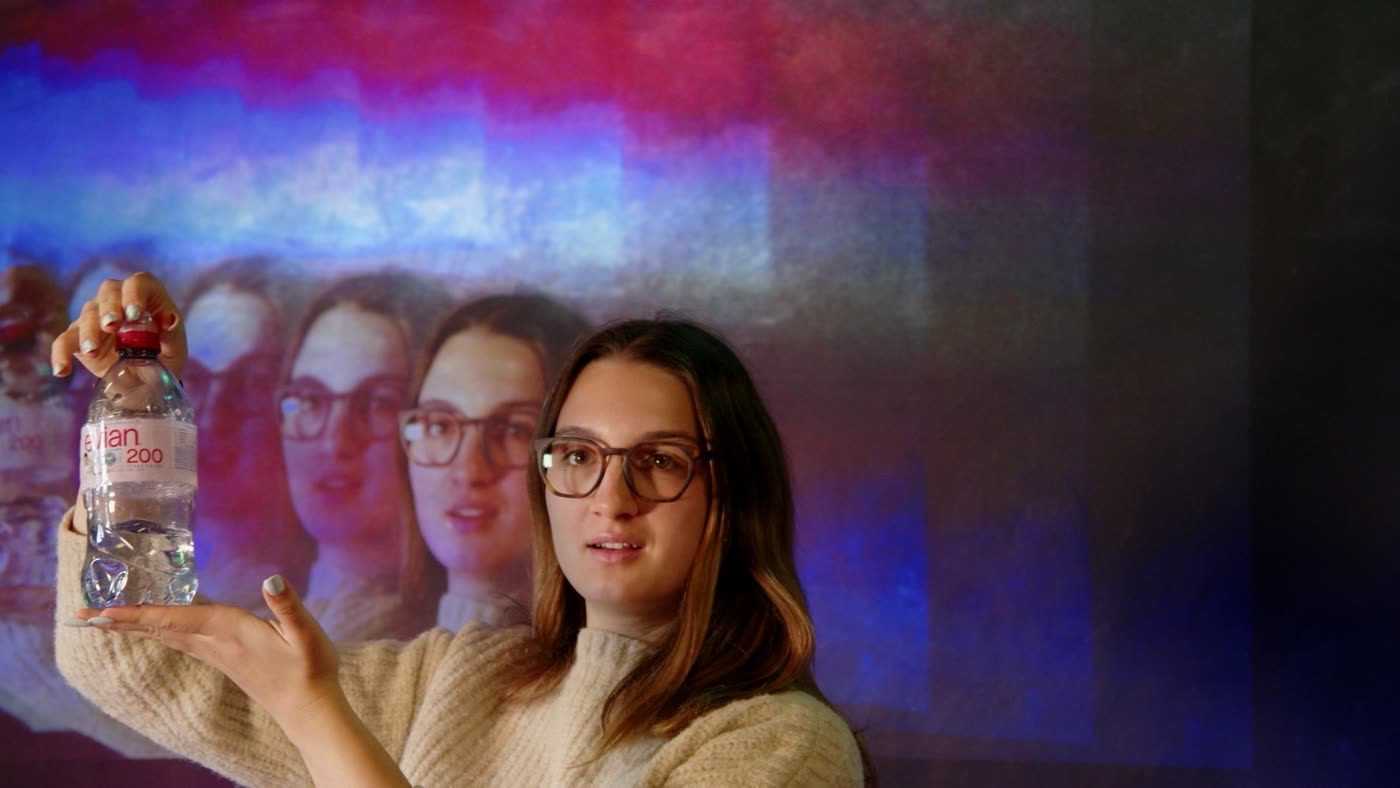
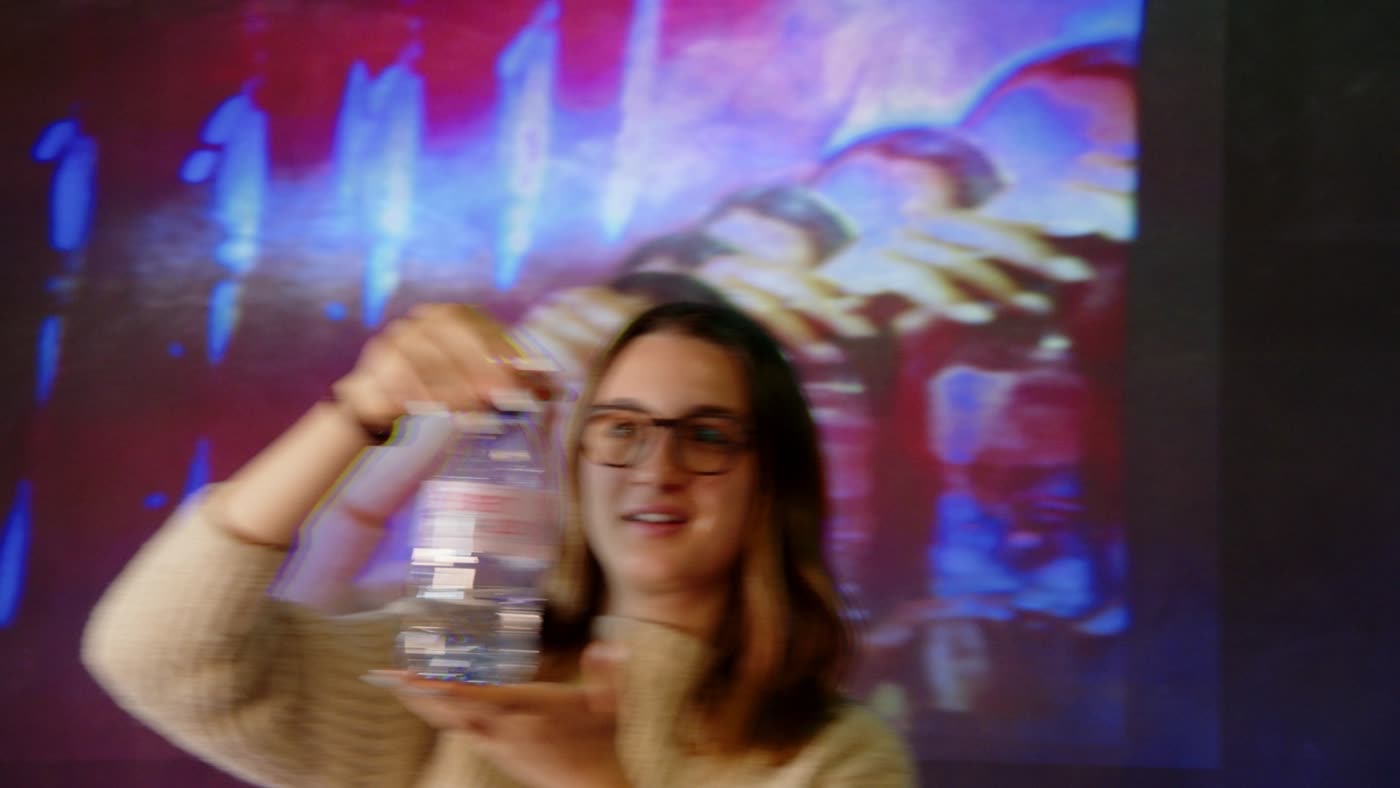
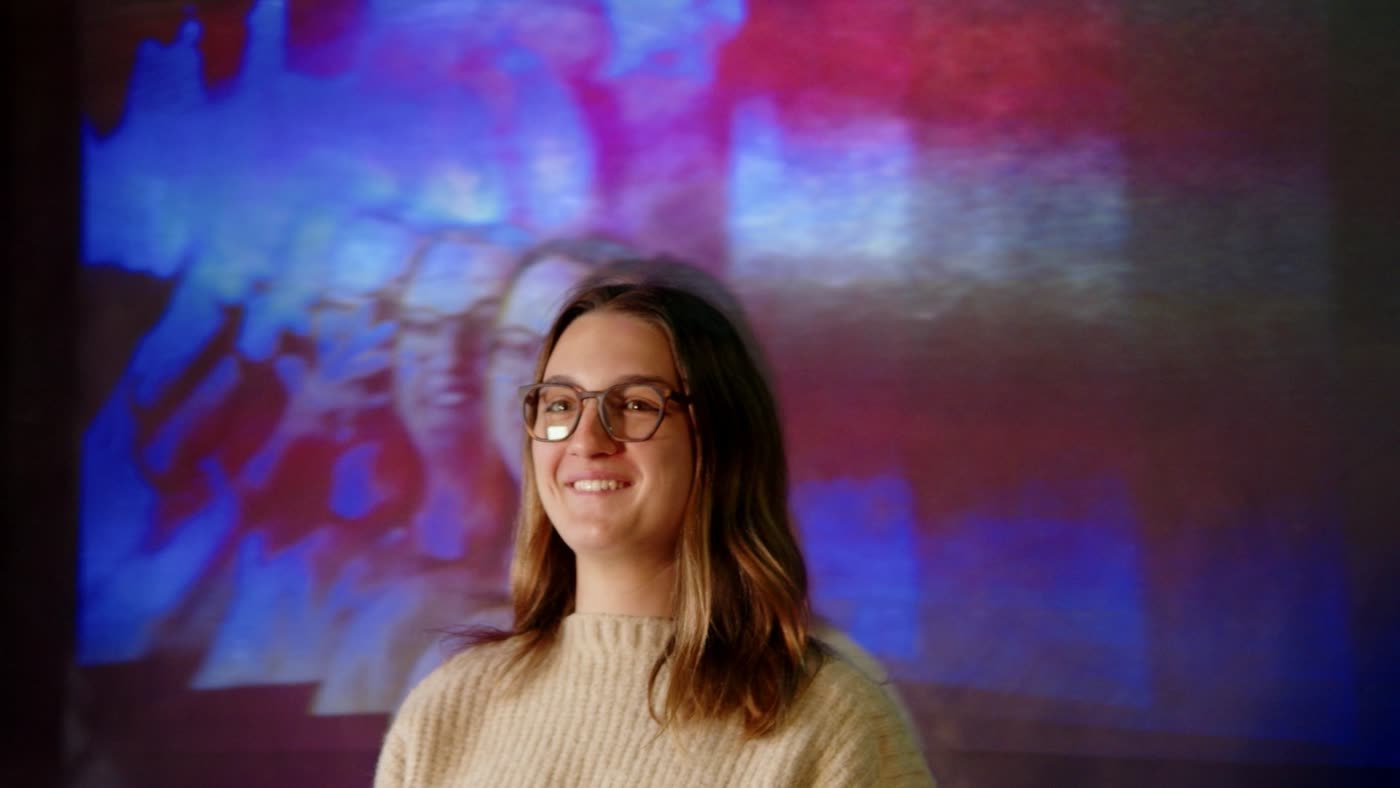
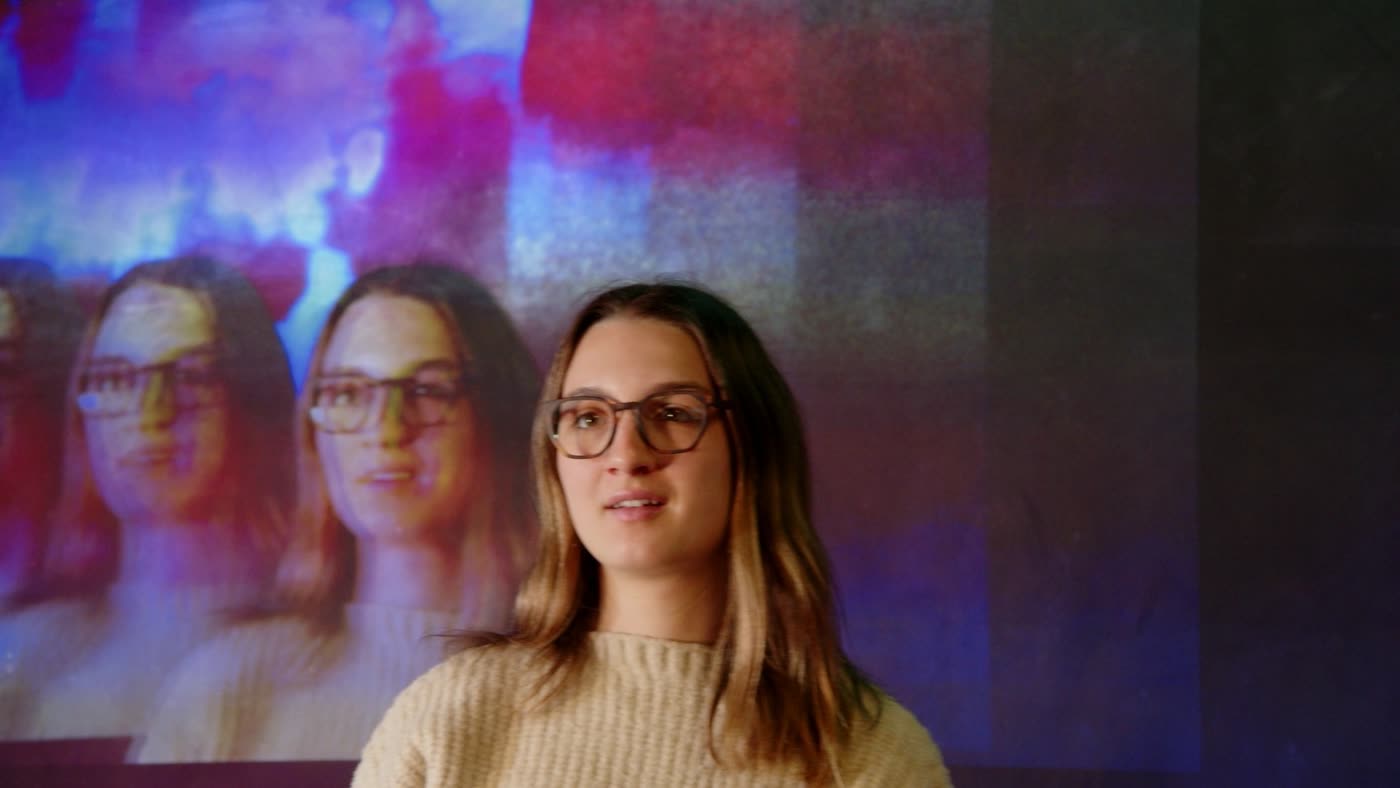
Same station, opposite end of history. A camera films me standing in front of a projection screen, and the projector shows what that camera sees. So the camera films its own output, over and over.
How it works
- The camera captures me and the screen behind me.
- That feed goes straight to the projector, which throws it back onto the screen, bigger.
- The camera now sees me plus the projected me, and sends both round again. Each pass nests another copy inside the last.
- Every trip through the chain costs a few frames of latency. So each echo is me from a split second earlier, and anything that moves leaves a trail.
Why it's so strange to look at
Neither machine makes this picture by itself. The camera only records and the projector only displays; the image exists only because they're pointed at each other. It's a picture of the system, and it's made of time as much as light: in one frame you can see me now, me a moment ago, and me a moment before that, all side by side and getting bigger. Colors drift and errors compound on every pass, so the loop starts inventing textures nobody put there.
Video artists like Nam June Paik and Steina and Woody Vasulka built whole works out of this in the 1960s and '70s. Standing inside one felt like the opposite of the camera obscura in the room next door: that one showed the world instantly and faithfully, and this one showed the delay, the machine talking to itself.
Framing through OBS
Shot sizes, look room and the rule of thirds, captured straight off the studio camera feed.